

AboutDiscovering Authentic African Antiques

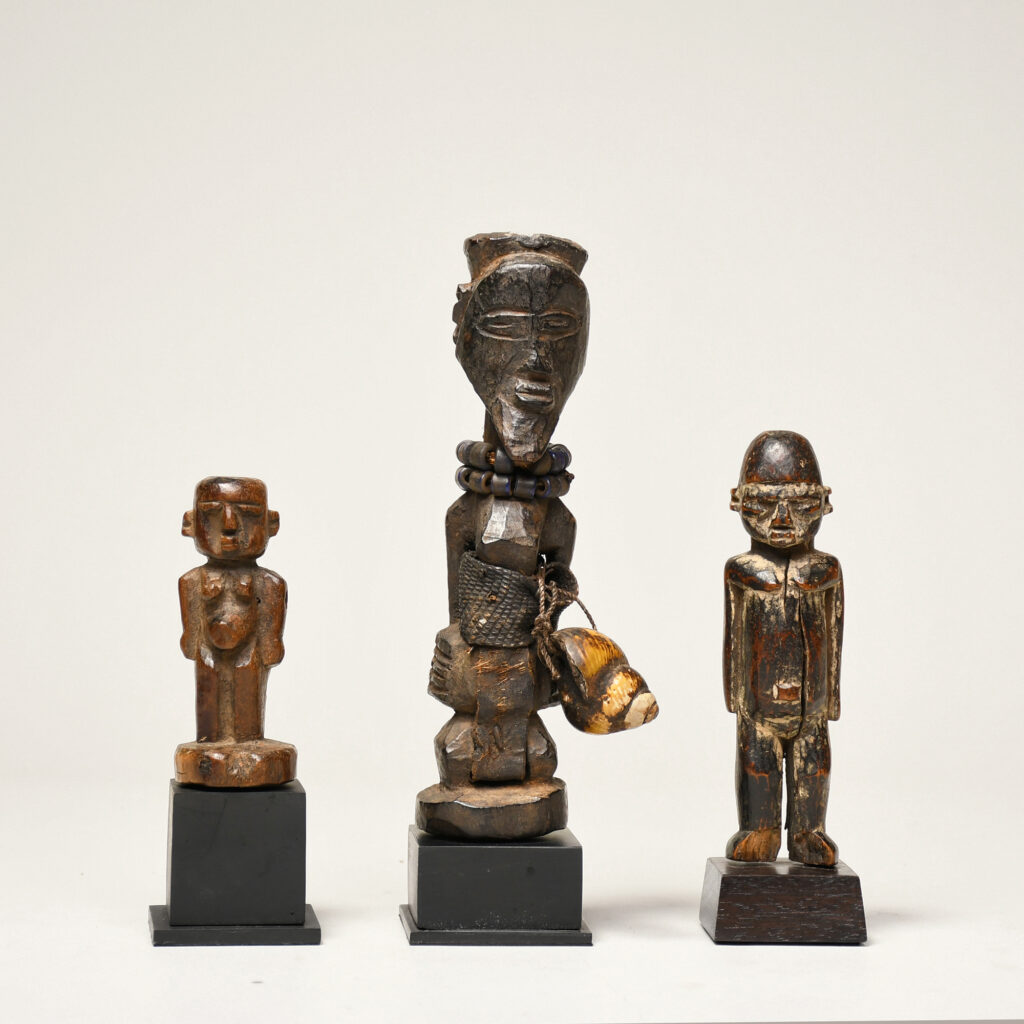
African Antique Collector’s Quest for Unique Art at Affordable Prices. In the vibrant world of art and collectibles, African antiques hold a special allure, celebrated for their rich history, intricate craftsmanship, and cultural significance. Recognizing the growing global interest in authentic African artifacts, a dedicated company has embarked on a mission to acquire these treasures at affordable prices, making sure that more enthusiasts and collectors can access and appreciate their beauty.

Discovering Authentic African Antiques:

Norman Braman and the Acquisition of Ancient African Antiques

Norman Braman is an American car dealer and prominent art collector whose philanthropy and collecting have shaped Miami’s cultural landscape. Over decades, he and his wife Irma have built a major private collection and supported institutions and exhibitions in the region. 

Collector’s approach and intent

Norman Braman’s collecting is often described as purposeful and institution-minded: acquisitions are made with an eye toward display, scholarship, and public benefaction rather than mere private accumulation. In practice this means purchases are selected for historical interest, aesthetic strength, and the potential to support exhibitions or loans to museums.


How purchases are made

  • Direct purchases from sellers: Many acquisitions originate with private sellers—family heirs, village intermediaries, or independent dealers—who bring objects to market.
  • Dealers and galleries: Established dealers and galleries provide access to vetted pieces and provenance documentation.
  • Auctions and fairs: Major auctions and international art fairs are used to secure rare or high-profile works.

These channels are combined to build a collection that is both broad in scope and deep in quality.

Relationships with sellers

Braman’s buying practice emphasizes long-term relationships with reputable dealers and intermediaries. Sellers who work with major collectors typically expect clear terms, fair compensation, and, increasingly, documentation that traces an object’s modern ownership history. Collectors of Braman’s scale often rely on trusted advisors and curators to evaluate condition, authenticity, and cultural significance before purchase.

Provenance, ethics, and due diligence

Given the sensitivity around ancient and ethnographic objects, responsible collecting at this scale requires:

  • Provenance research to establish lawful export and ownership history.
  • Legal compliance with national and international cultural property laws.
  • Scholarly consultation to confirm cultural context and significance.

Collectors who intend to lend or exhibit works typically prioritize clear provenance and may decline objects with uncertain or problematic histories.

Scale and impact

A collection numbering in the thousands—more than 3,000 pieces, as noted—represents a major repository of material culture. At that scale, the collection can:

  • Support rotating exhibitions and loans to museums.
  • Enable research and cataloguing projects.
  • Influence public understanding of African art and history through curated displays and educational programs.

Norman and Irma Braman’s broader collecting and patronage have been publicly recognized for their impact on Miami’s art scene and institutions. Braman’s profile as a collector and philanthropist is well documented in public sources.

A Passion for African Heritage

African Antique Collector, committed to promoting and preserving African cultural heritage, seeks to build a diverse collection of antiques, ranging from traditional masks and sculptures to historic jewelry and ceremonial objects. Their goal is not only to acquire stunning pieces but also to ensure they are genuine and representative of the diverse cultures across the continent.

Affordable Prices Without Compromising Authenticity

African Antique Collector’s key objectives is to offer fair and affordable prices, fostering a fair marketplace that benefits both sellers and buyers. By working directly with local artisans, family estates, and reputable sources, the company reduces middleman costs, enabling them to negotiate better prices while preserving the integrity and value of the antiques.

image
image

Different types of African antique art?

African antique art is incredibly diverse, reflecting the continent's rich cultural heritage.

image

Cultural significance of African masks?

African masks hold deep cultural and spiritual significance across the continent.

image

Masks symbolize in their cultures?

African masks carry profound symbolism, often representing spiritual, social, and ancestral connections.
Supporting Ethical Sourcing and Cultural Preservation

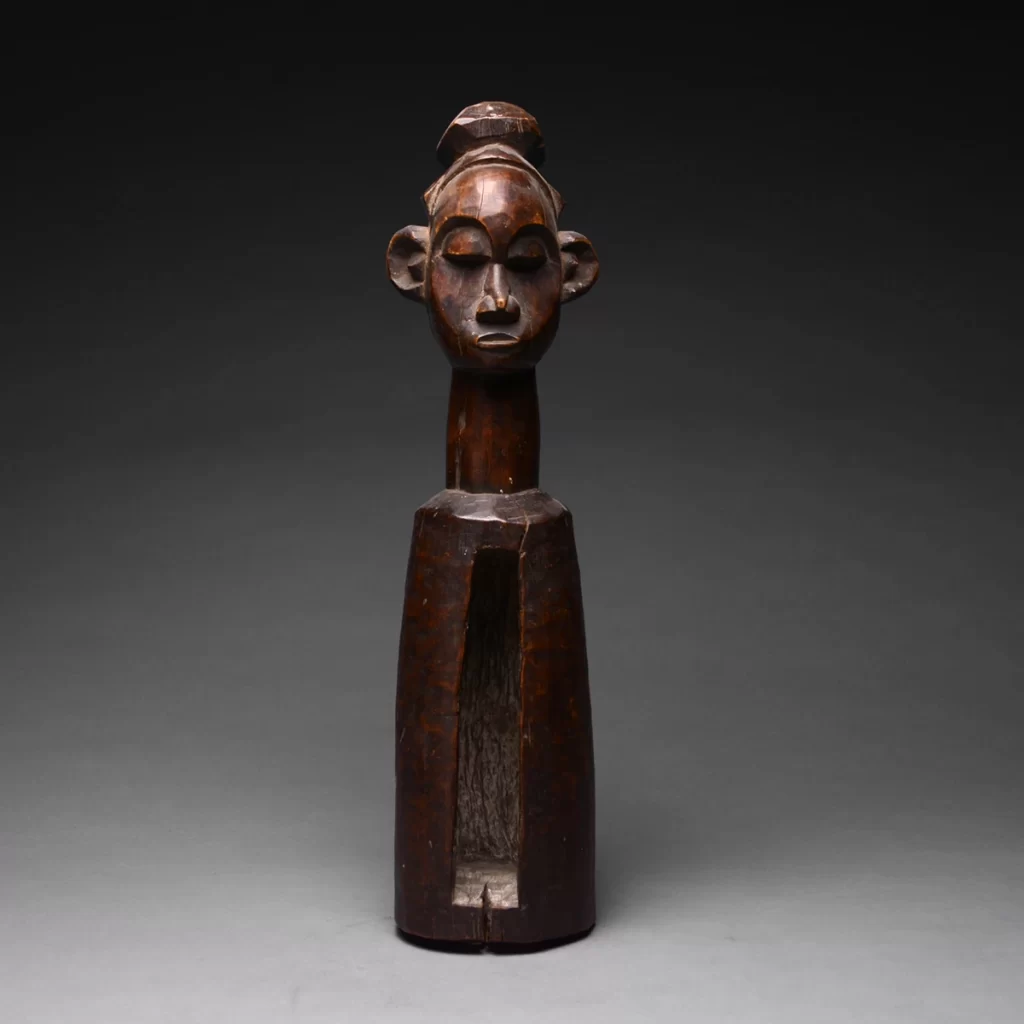
African Antique Collector emphasizes ethical sourcing practices, ensuring that all acquisitions are done legally and respectfully, with proper documentation and provenance. This approach not only protects the cultural heritage involved but also builds trust with sellers and collectors worldwide.

Engaging with Local Communities

Part of our mission is to support African communities by creating opportunities for local artisans and collectors to share their heritage. We often collaborate with cultural institutions and local museums to promote awareness and appreciation of African antiques, fostering sustainable benefits for communities and ensuring the preservation of traditional craftsmanship.

Join the Journey

Whether you are a seasoned collector or a newcomer eager to explore African antiques, African Antique Collector welcomes inquiries and collaborations. Our curated collection, combined with fair pricing and ethical practices, provides an accessible gateway to the captivating world of African arts.

As interest in African antiques continues to grow, African Antique Collector’s dedication to affordability, authenticity, and cultural respect positions them as a trusted partner in the art collecting community. They invite passionate enthusiasts to join their journey of discovering, preserving, and celebrating Africa’s rich artistic heritage.